Prioritize where your capabilities could fit in defence.
For manufacturing and industrial business leaders considering entry into defence or expansion of an existing defence business.
Analyst-reviewed research, a sourced decision brief and an editable workbook. Scope, fee and delivery schedule agreed before work starts.
Three things you take away
- 01A capability-to-opportunity map
- 02A comparison of potential entry routes
- 03A checklist of requirements to validate
Start with your business
Request an assessment scope
Tell us what you make, where you want to compete and what you need to decide. A 15Rock partner will review your request and email the next steps and a proposed scope.
Loading inquiry form…
Start with a public or non-confidential description. We can agree a mutual NDA before reviewing confidential material.
Prefer direct email or a mutual NDA first? Email hello@15rock.com
See the work
From a business question to a decision.
Explore this ungated example. It shows the structure of the analysis and the limits of what it can establish.
Illustrative · fictional capability and route example
Which opportunities fit the capabilities your business already has?
The question. An industrial manufacturer wants to identify where existing machining, fabrication and inspection capabilities might fit.
The analysis. Map capabilities to potential applications, compare routes and rank the next investigations using capability overlap, customer access and the requirements still to validate.
| Capability | Potential application | Fit question |
|---|---|---|
| Precision machining | Equipment housings | Can tolerances and quality requirements be met? |
| Fabrication | Support structures | Which materials and volumes fit? |
| Inspection | Component verification | What customer acceptance is needed? |
| Route | Potential advantage | Question to validate |
|---|---|---|
| Direct customer | Direct relationship | Access, scale and requirements |
| Prime / sub-tier | Existing program route | Supplier onboarding and commercial fit |
| Industrial partner | Complementary capability | Roles, economics and responsibility |
03 / Which route to investigate first
Illustrative priority order based on assumed capability overlap, scope complexity and access. The evidence and open checks determine the next action.
Investigate first
Industrial partner
A fictional published component scope overlaps documented machining capability.
Next check: Confirm current buying needs, tolerances and partner acceptance.
Validate next
Prime / sub-tier
Potential program access, with onboarding and capability fit still unconfirmed.
Next check: Check the buyer’s supplier-entry process and requirements.
Defer
Direct customer
Customer access, delivery scale and the full requirements are unconfirmed.
Next check: Revisit after access and delivery requirements are established.
This ranks investigations, not contract prospects. No route has been qualified or approved.
04 / Requirements checklist
- Confirm the customer and application
- Verify technical and quality requirements
- Check relevant security and regulatory requirements
- Validate capacity, economics and ownership
All checklist items are open questions. Research does not confer supplier qualification or a contract award.
- What this example finds
- In this fictional example, an industrial partner route is the first investigation because its component scope overlaps existing machining capability. A prime or sub-tier route needs onboarding checks next; direct bidding is deferred while access and requirements remain unclear.
- The decision it supports
- Start by validating the industrial partner’s component requirements, check the prime or sub-tier entry process next, and defer direct bidding until capability fit, customer access and requirements are confirmed.
Read assumptions, calculations and evidence gaps
- The capabilities, applications and routes in this example are fictional; no live procurement, approved supplier status or contract award is implied.
- The illustrative ranking is qualitative, using assumed capability overlap, scope complexity and customer access. It is a sequence of investigations, not a probability of winning or an opportunity award.
- For this example only, a potential partner has published a component scope overlapping the fictional manufacturer’s documented machining capability; its current buying needs and acceptance remain unconfirmed. Prime onboarding and direct-customer access are also unconfirmed.
- A real assessment distinguishes dated public program evidence, company disclosures, assumptions and requirements that need confirmation.
- Security, quality, export, industrial-benefit and customer requirements vary by activity and route and must be verified with the relevant authorities or customers.
- Research findings do not confer supplier qualification, security clearance, technical acceptance or contract eligibility.
Your research package
What you receive, and how your team can use it.
You may already have capabilities defence customers need. We compare potential applications against your existing business and the public market evidence, so your team can choose where to investigate, whom to approach and which gaps need attention.
- Capability-to-opportunity map
- Existing products and capabilities connected to potential applications, with fit criteria and evidence strength explained.
- Market and program evidence
- Dated public references for relevant programs, customers, supply-chain roles and demand signals, with gaps marked.
- Entry-route comparison
- Potential direct, prime-contractor, sub-tier or partnership routes compared on access, fit, requirements and questions to investigate.
- Requirements checklist
- Quality, technical, commercial and relevant regulatory questions assigned for validation; no automatic qualification.
- Decision brief and workbook
- A prioritized investigation plan and editable comparison that leadership can use to agree the next step.
Practical uses
- Focus a market-entry discussion
- Compare build, partner and supplier routes
- Decide which requirements to investigate first
Explore another illustrative workbook extract and delivery details
| Research question | Evidence to examine | Potential route | Open question | Next investigation |
|---|---|---|---|---|
| Where might the capability fit? | Published product requirements and documented machining processes | Component supply to an established industrial supplier | Are the required materials and tolerances supported? | Compare technical requirements with company records |
| Which route deserves investigation? | Public program records and documented supplier participation | A supply-chain partner or prime-contractor route | Is the program status current, and is the buyer taking suppliers? | Check dated sources and confirm the buyer's entry process |
| What needs validation? | Published customer requirements and available company records | A route that warrants customer or specialist review | Which capacity, certification or security requirements remain open? | Agree the checks with the customer and qualified specialists |
| A potential fit remains a research finding until the relevant requirements are validated. Qualification, security clearance, technical acceptance and contract decisions remain with the relevant customers and authorities. | ||||
- Starting point
- Your existing business, documented capabilities, target market and decision deadline.
- Agreed coverage
- The breadth, number of companies and depth of analysis are scoped around the decision you need to make.
- Your next step
- Use the evidence and open questions to choose further research, customer conversations and specialist validation.
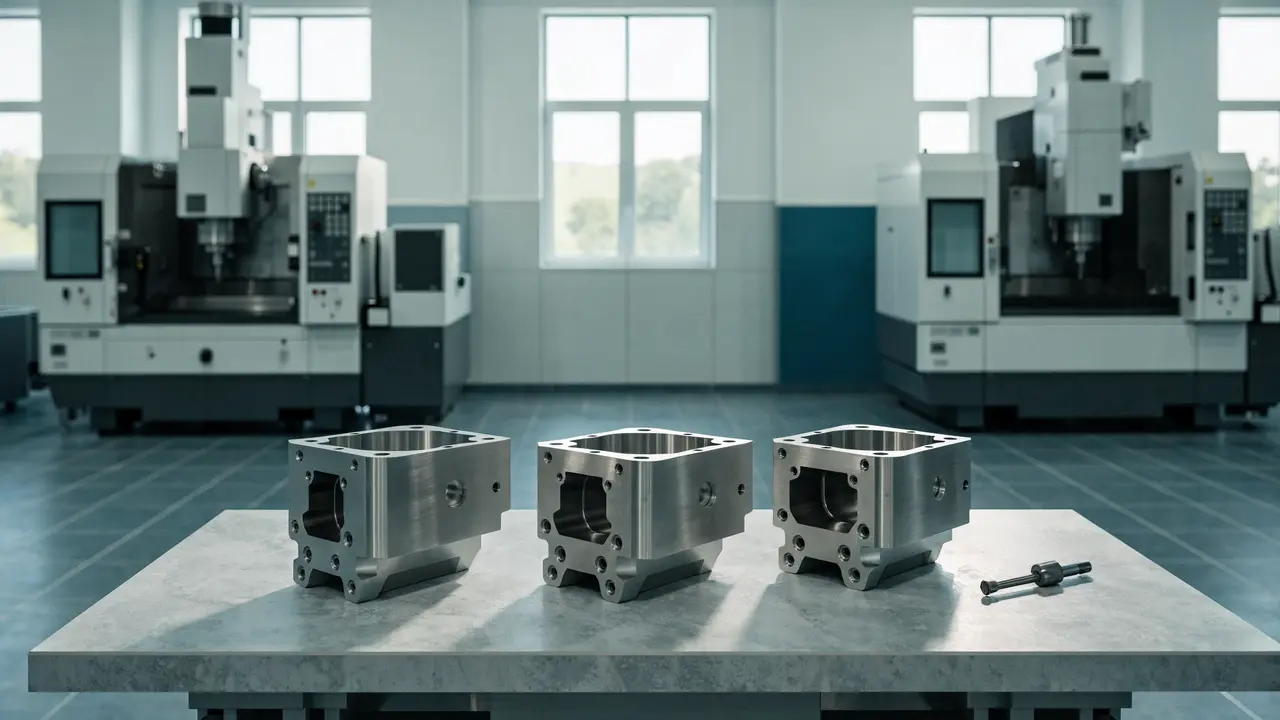
Published engagement evidence
Published engagement: a defence growth plan for leadership.
This sourced assessment helped an industrial manufacturer frame its defence opportunities and a discussion with its chief executive.
A defence growth plan, ready for the chief executive
- The challenge
- An industrial manufacturer wanted to know how defence could grow its business.
- What we delivered
- Scored its defence opportunities on attractiveness and ability to win, with a discussion paper for the chief executive and a sourced evidence pack.
- What happened next
- It passed senior partner review, opened a conversation with the company’s executives and was reused for a second manufacturer.
The published outcome is the research and leadership discussion. It is not evidence of supplier qualification, security clearance or a contract award.
- research deliveries
- 300+
- sectors covered worldwide
- 20+
Coverage across North America, Europe and Asia-Pacific
Used by a global advisory firm, a Canadian pension investor, corporate strategy teams, and mid-market operators across North America, Europe, and Asia-Pacific.
Capability fit
Connect your existing strengths to potential applications
Credible routes
Compare buyer and supply-chain entry routes
Evidence and gaps
See dated sources and questions to validate
Practical output
Decision brief and editable research workbook
Start with the question
Bring the decision. We will help define the scope.
What to bring
Your company, main products or capabilities, markets of interest and whether you are entering defence or expanding.
Detailed drawings, certifications and a full capability inventory can follow. An initial conversation can start with a public capability summary and your decision timing.
How the engagement works
01Your team + 15Rock
Agree the capabilities, target market, decision, coverage, fee and delivery schedule.
02AI research agents
Gather public program records, supplier references and published requirements, with sources.
0315Rock analysts
Check the evidence, compare possible routes and mark the gaps and assumptions.
04Your team
Review the decision brief and workbook, then choose the next investigations and conversations.
Start with your business
Request an assessment scope
Tell us what you make, where you want to compete and what you need to decide. A 15Rock partner will review your request and email the next steps and a proposed scope.
Loading inquiry form…
Start with a public or non-confidential description. We can agree a mutual NDA before reviewing confidential material.
Prefer direct email or a mutual NDA first? Email hello@15rock.com
How to start
One question, a fixed fee, a first read in days.
- Your question
- One live question, with the decision it serves.
- What comes back
- A reviewed answer with a point of view (a ranked shortlist, a diagnostic or a plan), with every source and anything unverified flagged.
- The fee
- The fee is fixed and agreed before work starts.
- The timing
- A first read in days, not weeks, then the reviewed brief on the date we agree.
We can provide regular research updates after the first project.
Frequently asked questions
Who is this assessment for?
Manufacturers and industrial suppliers deciding whether to enter or expand in defence. It supports strategy, business-development and leadership teams choosing where to direct their next research and commercial effort.
Does the assessment establish that we qualify for defence work?
It identifies the requirements and evidence your team needs to investigate. Qualification, security clearance, technical acceptance and contract decisions remain with the relevant customers and authorities.
How are scope and timing agreed?
We start with your capabilities, target market and decision deadline. We then propose the coverage, outputs, fee and delivery schedule. Any follow-on company or partner research is agreed with you.
What happens after we request a scope?
A 15Rock partner reviews your inquiry and emails you to clarify the decision and propose the assessment scope. You can start with public or non-confidential information about your business.
Other TrendCap research programs
Commercial Due Diligence · Market Sizing · Target Screening
Know which market and growth assumptions you can rely on.
Explore this research
Working Capital · DIO / DSO / DPO · Peer Margin Benchmarking
Find where to investigate cash-cycle and margin gaps.
Explore this research
Multi-Tier Supply Chain · Sub-Tier Discovery · Should-Cost Audits
See supplier dependencies, compare alternatives and test costs.
Explore this researchDiscuss your project
Start with your business and the decision ahead.
Tell us what you make, where you want to compete and what you need to decide. We will respond with a proposed assessment scope.